
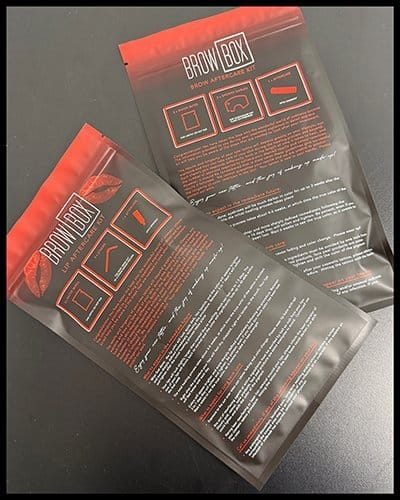
Fresh permanent makeup should look beautifully intentional, not overly cared for. The best aftercare products for permanent makeup are usually the simplest: clean hands, a professionally recommended healing balm when appropriate, and a strict commitment to leaving the area alone. Your brows, lips, eyeliner, or scalp treatment need a protected, low interference healing environment to settle into their best color and shape.
The temptation to add more products can be strong, especially when skin feels dry, tight, or flaky. But permanent makeup is a controlled cosmetic tattoo procedure. Healing skin has different needs than everyday skin, and the wrong product can introduce bacteria, cause irritation, or interfere with pigment retention. Clinical quality aftercare is less about a crowded beauty shelf and more about using the right formula, in the right amount, at the right stage.
What Makes a Permanent Makeup Aftercare Product Worth Using?
A quality aftercare product should support the skin barrier without trapping excess moisture or adding unnecessary ingredients. It should be clean, gentle, and suitable for the specific treatment area. What works for healing powder brows may not be right for freshly blushed lips, and neither should be assumed safe around a delicate eyeliner procedure.
The ideal formula is usually fragrance free and free from active skincare ingredients. Retinol, acids, exfoliants, brightening agents, strong essential oils, and heavily scented products have no place on a healing permanent makeup area. Even products that are excellent for your normal routine can be too stimulating while the skin is repairing.
Your artist’s recommendation comes first. Every treatment technique, skin type, pigment selection, and healing response is different. A reputable artist provides clear aftercare instructions because the procedure does not end when your appointment does. It continues through the healing process.
Best Aftercare Products for Permanent Makeup by Treatment
Brows: A light healing balm, if your artist advises it
For ombré powder brows, microblading, nano brows, and combination brows, many artists recommend a very thin layer of a dedicated aftercare ointment or healing balm after the initial healing period begins. The key word is thin. Applying too much can over soften the skin, lift flakes before they are ready, and affect how pigment settles.
Use only the amount directed by your artist, applied with freshly washed hands or a clean disposable applicator. Your brows should never look wet, shiny, or heavily coated. A light protective layer is different from smothering the skin.
Some brow techniques and skin types benefit from dry healing, meaning no balm at all unless the artist instructs otherwise. This is especially common when clients have oily or very active skin. More ointment is not better. Following the protocol designed for your treatment is better.
Lips: A clean, simple lip healing ointment
Lip blush aftercare often requires a gentle, artist approved lip ointment to manage dryness and keep the lips comfortable as they peel. Choose a plain, non medicated formula without flavoring, fragrance, plumping ingredients, or exfoliating acids. Peppermint, cinnamon, menthol, and tingling lip products may feel familiar in your makeup bag, but they can be irritating on healing lips.
Apply a light layer as instructed, particularly after eating or drinking if your artist recommends reapplication. Keep the application clean. Avoid dipping fingers repeatedly into a jar, and do not share products with anyone.
Expect lip color to look brighter immediately after treatment, then softer or even patchy during healing. This does not mean you need more product. It means the skin is moving through its normal recovery cycle. Let it do its work.
Eyeliner: Sterile saline and a hands off approach
Permanent eyeliner is one area where restraint matters most. The eye area is exceptionally sensitive, and products that are safe for brows or lips are not automatically safe near the lash line. In many cases, sterile water wipes or a gentle artist approved cleansing method are the only products recommended.
Do not use mascara, lash serums, eye makeup remover, false lashes, or heavy eye creams near the healing area until you have been cleared to resume them. Avoid rubbing your eyes, even when they feel dry or itchy. If you wear contact lenses, follow your artist’s specific guidance on when to remove and reinsert them.
Swelling and tenderness can happen in the first days. A clean, cool compress may be appropriate when recommended, but avoid placing ice directly on the skin. Any unusual pain, spreading redness, discharge, or changes to vision should be assessed promptly by a medical professional.
Scalp micropigmentation: Gentle cleanser and sun protection later
Scalp micropigmentation aftercare starts with patience. Your provider may ask you to avoid washing the scalp, sweating heavily, swimming, or shaving the treated area for a set period. Once you are cleared to cleanse, use a mild, fragrance free cleanser rather than a harsh shampoo, scrub, or clarifying treatment.
After the skin has fully healed, broad spectrum sunscreen becomes one of the most valuable long term products for scalp micropigmentation. Sun exposure can contribute to fading and uneven appearance over time. Do not apply sunscreen to fresh treatment sites until your artist confirms the skin is ready.
Products to Keep Away From Healing Permanent Makeup
Healing is not the time to test a new serum, facial oil, or viral beauty product. Keep active skincare well away from the treated area, including retinoids, glycolic acid, salicylic acid, benzoyl peroxide, vitamin C serums, enzyme exfoliants, and chemical peels. These can irritate the skin or accelerate exfoliation before pigment has settled.
Avoid petroleum heavy products unless they are specifically recommended as part of your aftercare plan. They can be useful in certain protocols, particularly for lips, but a thick occlusive layer is not appropriate for every procedure. The treatment area and your artist’s method determine what is suitable.
Also skip makeup directly over the healing area. Brow pencil, lipstick, eyeliner, foundation, and powder can introduce bacteria and make it harder for skin to recover. This short pause protects the investment you made in polished, long lasting results.
Your Daily Aftercare Routine Should Feel Simple
The most effective routine begins before you touch your face. Wash your hands thoroughly, then use only the cleansing or ointment steps your artist provided. Keep showers brief and avoid directing hot water onto the treated area. Pat surrounding skin dry carefully rather than rubbing.
For the first several days, avoid workouts that create heavy sweating, saunas, steam rooms, hot tubs, pools, and open water. Heat, moisture, chlorine, and bacteria can complicate healing. It is also wise to avoid sleeping face down and to use a clean pillowcase.
Flaking can be the hardest part emotionally, particularly when your permanent makeup looks darker, uneven, or temporarily lighter than expected. Do not pick, scratch, scrub, or pull at peeling skin. Let flakes release naturally. Removing them early may remove pigment with them.
When to Ask Your Artist for Help
A trusted permanent makeup artist wants to hear from you if something feels uncertain. Reach out if you are unsure whether a product is safe, if you accidentally got skincare on the area, or if healing seems different from the instructions you received. A quick question is far better than guessing.
Normal healing may include mild tenderness, tightness, itching, flaking, and temporary color changes. Symptoms such as worsening swelling, significant heat, persistent pain, pus, a spreading rash, or fever are not routine aftercare concerns. Seek medical advice promptly if these occur.
At Brownude, precision extends beyond the appointment itself. Thoughtful aftercare protects the refined, natural looking result you came in for and gives your skin the respectful care it deserves.
Your final color takes time to reveal itself. Treat the healing phase as part of your beauty appointment: keep it clean, keep it simple, and give your permanent makeup the quiet space to become beautiful.