
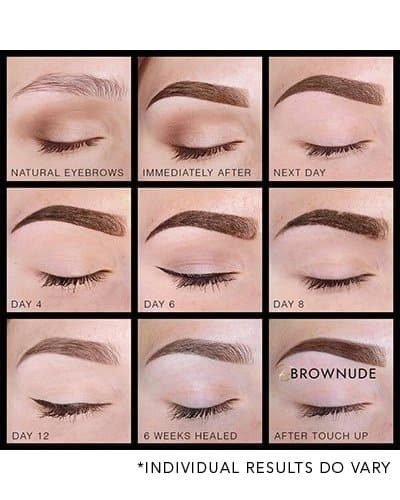
The first surprise for many clients is this: fresh permanent makeup rarely looks like the final result. Brows can appear darker, lips can feel swollen, and eyeliner may look sharper than expected. A clear permanent makeup healing process guide helps you understand what is normal, what needs extra care, and why patience matters if you want a soft, polished finish.
Healing is not one size fits all. Your skin type, treatment area, immune response, lifestyle, and aftercare habits all affect how pigment settles. Technique matters too. When your artist works with precision, proper depth, and thoughtful color selection, the healed result is far more predictable.
Why the permanent makeup healing process matters
Permanent makeup is a controlled cosmetic tattoo. The skin needs time to close, calm inflammation, and gradually reveal the settled pigment. What you see in the first few days is not the same as what you will see at four to eight weeks.
This is where expectations often need adjusting. Some clients worry because their brows look too bold on day two, then too light on day ten. Both can be completely normal. The healing process includes swelling, oxidation, flaking, and a temporary cloudy phase where pigment seems to fade before it returns in a softer, more natural way.
Good aftercare supports retention, but it also protects the skin barrier. That balance matters. Over cleansing, picking, sweating heavily, or applying the wrong skincare can interfere with healing and affect the final shape and color.
A realistic timeline for healing
Days 1 to 3: bold, fresh, and slightly swollen
Immediately after treatment, the area usually looks more intense than expected. Brows often appear darker and more defined. Lip blush can look bright or even vivid. Eyeliner may come with mild puffiness, especially the morning after.
This early stage is driven by fresh pigment sitting close to the surface and the skin responding to treatment. Some tenderness, tightness, and light redness are common. If your artist has given you a specific aftercare routine, follow that instead of layering on extra products that were never recommended.
Days 4 to 7: dryness and flaking begin
This is the stage that tests patience. The treated area can feel dry, itchy, or slightly uneven as light scabbing or flaking develops. The key word is light. Healing permanent makeup should not form thick, cracking scabs when the procedure and aftercare are appropriate.
Let the flakes release on their own. Picking them off can pull pigment out before it has settled. That can leave patchy areas and create unnecessary trauma in skin that is trying to repair itself.
Days 8 to 14: the faded phase
Clients often think the pigment is gone at this point. It usually is not. As the skin renews itself, the color can look faint, cool, or blurry under the surface. This is often called the ghosting phase.
It depends on the treatment area and your skin. Oily skin may soften pigment faster in the early healing window, while dry or sensitive skin may hold visible flakes a little longer. Neither automatically means something has gone wrong.
Weeks 3 to 6: color starts to return
As the skin finishes rebuilding, the pigment becomes more visible again. Brows soften into a more natural tone. Lip color settles down from bright to balanced. Eyeliner looks cleaner and less swollen.
This is when the result starts to make sense. Small areas of unevenness may show up, and that is one reason touch-up appointments exist. The initial session builds the shape and foundation. The touch up session refines it.
Weeks 6 to 8: ready for assessment
Most artists prefer to assess healed permanent makeup after at least six weeks. Before that, the skin may still be going through subtle changes. By this point, retention, shape, and tone are much easier to evaluate accurately.
If a touch up is part of your treatment plan, this is the stage where adjustments can be made with intention rather than guesswork.
How brows, lips, and eyeliner heal differently
Brow healing
Brows typically go through the most noticeable visual change. They can start quite crisp and bold, then flake, then fade dramatically before settling. Hair stroke styles and soft powder effects can each heal beautifully, but the timeline may look a little different depending on your skin type and technique.
Oily or mature skin sometimes heals softer and may need a more customized approach. That is why experienced mapping, color theory, and pressure control matter so much.
Lip blush healing
Lips tend to swell more than brows, but the swelling usually subsides quickly. The color often starts brighter than the final result, then fades substantially during healing. Clients who want a very defined lipstick look should know that healed lip blush is usually softer and more sheer unless multiple sessions are planned.
Lips are also more sensitive to dehydration, friction, and certain foods during early healing. Gentle care goes a long way here.
Eyeliner healing
Eyeliner can heal with temporary puffiness, watering, and a feeling of tightness near the lash line. Most of that settles within a few days. Because the skin around the eyes is delicate, following aftercare exactly matters even more.
Mascara, lash serums, and eye makeup should stay away until your artist says the area is ready. Rushing that step can irritate the skin and increase the chance of complications.
Aftercare habits that actually help
The best aftercare is usually simple, consistent, and clean. Keep the area dry or only gently cleansed according to your artist’s instructions. Use only the products recommended for your treatment. Avoid workouts, saunas, pools, steam, sun exposure, and heavy sweating during the early healing window.
Skincare is where many clients accidentally create problems. Retinol, exfoliating acids, acne products, and active anti-aging formulas should be kept away from the treated area while it heals. Even after healing, repeated use of strong resurfacing products can fade pigment faster over time.
Friction is another issue people underestimate. Rubbing the area, sleeping face down, wearing tight hats over fresh brows, or constantly touching lips can all interfere with clean healing.
What can affect pigment retention
A perfect procedure still heals differently from person to person. Oily skin, sun exposure, frequent sweating, autoimmune conditions, smoking, certain medications, and aggressive skincare can all affect retention. Hormonal shifts can play a role too.
This is why honest consultation matters. Premium permanent makeup is not just about creating a pretty shape on appointment day. It is about choosing the right technique, setting realistic expectations, and planning for how your skin is likely to heal.
There is also a trade-off between softness and saturation. Very natural healed results are beautiful, but they may require maintenance. A bolder initial approach can improve visibility, yet it still has to be done with restraint so the final result stays elegant rather than heavy.
Signs healing is normal and signs to check in
Normal healing includes mild redness, tenderness, dryness, flaking, temporary darkness, and a faded phase. Slight asymmetry during swelling can happen too, especially in the first few days.
What deserves a call to your artist or medical provider is increasing pain, significant heat, spreading redness, unusual discharge, severe swelling that worsens instead of improving, or anything that feels distinctly off. A licensed, hygiene-focused studio should prepare you well for what to expect and what is not typical.
The touch-up is part of the process, not a fix for failure
This is one of the most misunderstood parts of permanent makeup. A touch up does not mean the first appointment failed. It means the service was performed responsibly, with room to refine once the skin reveals how it healed.
No ethical artist can promise that every pixel of pigment will heal exactly the same after one session. Skin is living tissue, not paper. Refinement is often where the result becomes truly polished.
At Brownude, that standard of care is central to the experience. Precision treatment, advanced technique, and clinical quality hygiene are not just about how the work looks on day one. They are about how it heals.
A permanent makeup healing process guide should leave room for individuality
If you are comparing your healing to someone else’s photo timeline, pause there. Your skin may flake less, hold more warmth, or need longer for color to reappear. That can still be completely normal.
The goal is not to rush the process. The goal is to support it well enough that your healed result looks refined, balanced, and natural in everyday life. Trust the timeline, protect the area, and give your artist the full healing window before judging the final outcome.
Beautiful permanent makeup is not made in one day. It is revealed over time, with expert application, disciplined aftercare, and a little patience.