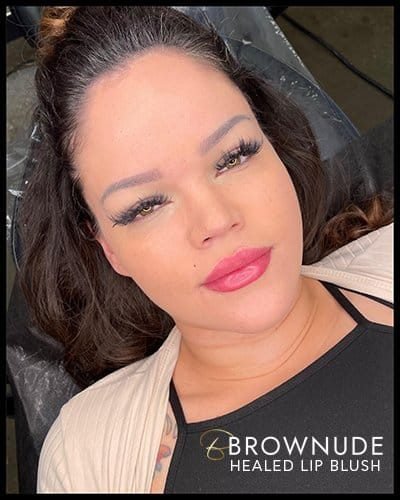
The first few days after your appointment can make or break your healed result. If you are wondering how to care for lip blush tattoo the right way, the goal is simple – protect the skin, keep the area clean, and avoid anything that disrupts healing.Lip blush is a refined
cosmetic tattoo designed to enhance your natural lip tone, shape, and definition. But even the most beautiful application still depends on aftercare. Your lips will go through a normal healing cycle, and what you do during that time affects color retention, comfort, and how evenly the pigment settles.
How to care for lip blush tattoo in the first 24 hours
Right after treatment, your lips may feel tender, warm, and slightly swollen. This is expected. The color will usually appear brighter at first, then soften significantly as healing progresses.In the first 24 hours, treat the area gently and keep it protected. Your artist may recommend blotting away lymph fluid with a sterile water wipe the first few hours. This step helps prevent heavy buildup and supports a cleaner heal. After that, less touching is better.Use only the aftercare product recommended by your artist. Apply a very thin layer, not a thick coating. Too much product can oversaturate the skin and interfere with the healing environment. A light barrier is helpful. A greasy, heavy layer is not.You will also want to avoid hot drinks, spicy food, and anything acidic that can irritate freshly treated lips. Drink through a straw if advised, especially on day one, and be careful not to stretch the lips too much while eating.
What healing usually looks like
Lip blush healing is not perfectly linear. One day your lips may look bold and smooth, and the next they may feel dry, tight, or patchy. That does not mean something is wrong.Most clients notice mild swelling on day one, followed by dryness and light flaking over the next several days. The lips can look darker and bolder than expected at first, then lighter as the surface layer sheds. Once the skin fully settles, the color returns in a softer, more natural version of the initial shade.This is where patience matters. Many people assume the pigment is gone when the lips fade during healing. In reality, the color often reappears gradually over the following weeks as the tissue recovers.
Days 2 through 7
This stage is usually the driest. Your lips may feel chapped, and small flakes can form. Let them flake away naturally. Picking, rubbing, or peeling can pull pigment out before it has stabilized in the skin.Keep the lips clean, avoid friction, and continue using your recommended aftercare sparingly. If your lips feel tight, that is normal. Resist the urge to overapply balm just to make them feel coated all day.
Weeks 2 through 6
After the surface is healed, the deeper healing continues. The color may seem lighter or uneven during this phase. This is one reason touch up appointments are part of the process, not a sign that something failed.At this point, your lips may look mostly normal, but they are still recovering. Continue to protect them from sun exposure, irritation, and exfoliating products.
The aftercare habits that protect your result
Good aftercare is not complicated, but it does require consistency. Keep your lips clean, dry them gently after eating, and avoid unnecessary contact. If you are applying any product, always use clean hands or a clean applicator.Hydration matters too, but internally more than externally. Drinking enough water supports skin recovery, while constantly coating the lips in random products can create setbacks. Stick to what your artist approved.Sun protection becomes especially important once the skin is no longer open. UV exposure can fade cosmetic tattooing over time, and lips are especially vulnerable. If you want your color to stay fresh and elegant, sun care is part of long term maintenance.
What to avoid after lip blush
If you want to know how to care for lip blush tattoo well, it helps to know what not to do. The biggest mistakes usually come from overdoing, not underdoing.Avoid kissing, heavy sweating, steam rooms, swimming pools, and hot tubs during the early healing phase. Excess moisture, bacteria, and heat can all interfere with healing. Intense workouts can also increase swelling and irritation in the first few days.Do not use lipsticks, glosses, lip masks, or active skincare on the area until your artist says it is safe. That includes products with acids, retinol, peppermint, cinnamon, or plumping ingredients. Even products that feel harmless can trigger stinging or inflammation on healing lips.Be careful with food as well. Salty, spicy, and acidic foods can irritate the lips, especially on the first few days. Soft, bland foods are often more comfortable while the tissue is fresh.
A note on cold sores
If you are prone to cold sores, tell your artist before your appointment. Lip blush can trigger an outbreak in susceptible clients, and that can affect both comfort and healed color. Many clients with a history of cold sores are advised to speak with their medical provider about preventive antiviral medication before treatment.This is not a small detail to skip. Preventing a flare can protect your healing result.
Why your healed color may look softer than expected
A polished lip blush result should not look harsh or overly saturated once healed. Softer color is often the sign of skilled work, not missing pigment.The lips heal differently than brows or eyeliner because the tissue is delicate and more active. Pigment retention varies based on skin tone, natural lip color, lifestyle, immune response, and aftercare. Some clients retain color evenly on the first session, while others need more refinement at the touch up.There is also a difference between what looks dramatic immediately after treatment and what looks beautiful long term. Fresh color is almost always brighter. Healed color is meant to settle into something more natural and wearable.
When to contact your artist
Some tenderness, dryness, and mild swelling are normal. Severe swelling, unusual discharge, spreading redness, or signs of infection are not. If something feels outside the healing guidance you were given, reach out to your artist promptly.A reputable permanent cosmetics studio will give you clear aftercare instructions and let you know what is normal versus what needs attention. That level of support matters. Precision work deserves precision aftercare.
Long-term care for lip blush tattoo results
Once healed, lip blush is low maintenance, but not no maintenance. Sun exposure, smoking, frequent exfoliation, and certain skincare habits can all cause color to fade faster. If you want your lips to stay fresh, plan on periodic refresh appointments based on how your pigment ages.Hydrated lips tend to look smoother and more flattering, so daily lip care still matters. Just choose products that support the skin barrier rather than constantly stripping it. If you use strong exfoliants around the mouth, keep them off the tattooed area unless your provider advises otherwise.For clients who value a polished look without the daily effort, this treatment offers real convenience. But the elegance of the final result depends on respecting the healing period first.
The best approach is simple and consistent
The best answer to how to care for lip blush tattoo is not a complicated routine. Keep the area clean, follow your artist’s instructions closely, avoid irritation, and let the skin heal without interference.At Brownude, that standard of care is part of what creates refined,
natural-looking results. When treatment is performed with precision and followed by disciplined aftercare, your healed lips can look soft, balanced, and beautifully enhanced.Give your lips the quiet healing time they need now, and they will reward you with a result that looks effortless later.