
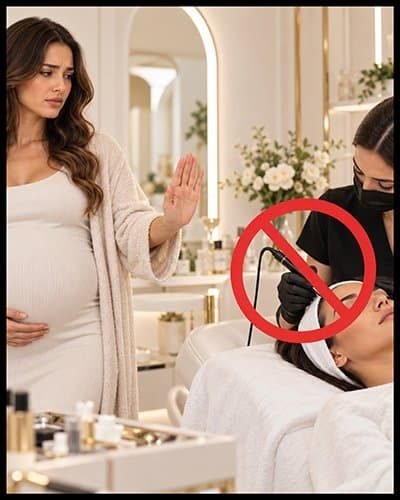
A positive pregnancy test can change more than a skincare routine. If you had planned a permanent makeup appointment, you may be asking, is permanent makeup safe during pregnancy? The professional answer is that most reputable permanent makeup artists recommend waiting until after pregnancy. It is a precaution rooted in client safety, predictable healing, and the high standard of care your treatment deserves.
Permanent Makeup is designed to give you a softly shaded, polished makeup effect that lasts. But the treatment is still a form of cosmetic tattooing: it involves creating tiny openings in the skin and implanting pigment. Pregnancy is not the time to add avoidable variables to a procedure that depends on stable skin, carefully managed healing, and a healthy immune response.
Is Permanent Makeup Safe During Pregnancy?
There is limited direct research on cosmetic tattooing specifically during pregnancy. That does not mean the treatment has been proven safe. It means there is not enough high quality evidence to confidently rule out risk, which is why experienced artists and health focused studios take a conservative approach.
Pregnancy changes circulation, hormones, skin sensitivity, and immune function. These changes can affect how your skin responds during treatment and how it heals afterward. A procedure that may be straightforward at another time can become less predictable while your body is doing the extraordinary work of growing a baby.
Most permanent makeup providers will postpone both new permanent makeup appointments and touch ups during pregnancy. This is not about denying you a beautiful result. It is about protecting your comfort and giving you the best possible conditions for a refined, long lasting outcome later.
Why Artists Recommend Waiting
The main concern is not the pigment alone. It is the full treatment process, including skin disruption, topical products, healing, and the small but real possibility of complications.
Infection risk deserves respect
A reputable studio follows strict sanitation and single-use safety protocols, but no procedure that breaks the skin is entirely without risk. Infection is uncommon when treatments are performed correctly in a professional environment, yet it remains possible. During pregnancy, avoiding nonessential procedures that create an entry point for bacteria or other pathogens is the prudent choice.
Choosing a licensed, health inspected environment is always essential for permanent makeup. Still, excellent hygiene reduces risk, it cannot make a non medically necessary cosmetic procedure risk free.
Numbing products require medical consideration
Many permanent makeup services use topical anesthetic products to support client comfort. Ingredients can vary, and the safety of certain numbing agents during pregnancy may depend on the formula, dose, application area, and your personal medical history.
Your obstetric provider is the right person to advise on medications and topical products in pregnancy. However, medical clearance does not automatically make a cosmetic tattoo appointment the best choice. Many artists maintain a pregnancy policy regardless of clearance because there are other concerns beyond numbing cream.
Hormones can change the healed result
Pregnancy hormones can make skin more reactive, oily, dry, sensitive, or prone to pigmentation changes. Increased blood flow may also lead to more bleeding or swelling during a procedure. None of these changes guarantee a poor result, but they can make pigment retention and healing less predictable.
Powder brows are an investment in your appearance and your time. Waiting can help you avoid uneven retention, unexpected color shifts, or needing additional adjustments once your skin has returned to a more stable baseline.
Healing is not always predictable
A successful permanent makeup result depends on attentive aftercare and a smooth healing process. Pregnancy can bring fatigue, nausea, swelling, skin sensitivity, and changing priorities. A brow or lip procedure may be the last thing you want to manage if you are navigating morning sickness or preparing for a new baby.
Even if you feel wonderful, your body is already managing major changes. Giving it one less healing demand is a thoughtful form of self care.
What If You Already Have Permanent Makeup?
If your brows or lips were completed before you became pregnant, there is usually no reason to worry. Healed pigment sits in the skin and does not require special action simply because you are expecting.
The key is to avoid booking a routine color boost, correction, or removal treatment until you have discussed timing with your provider and your healthcare professional. If your brows fade during pregnancy, temporary brow makeup can keep your look defined without creating new trauma to the skin.
Use a brow pencil, tinted brow gel, or powder that you already tolerate well. If pregnancy has made your skin more sensitive, patch test new cosmetic products first and choose gentle removal at the end of the day.
What About Permanent Makeup Removal During Pregnancy?
The same wait and see approach applies to removal. Saline removal, laser removal, and corrective tattooing are generally postponed during pregnancy. These services involve skin trauma, healing, and treatment considerations that are best handled after delivery.
If you are unhappy with old permanent makeup, it can feel urgent, especially when pregnancy brings changes in facial fullness or skin tone that make prior work look different. But eyebrows can be softened cosmetically in the meantime. A skilled artist can discuss a thoughtful correction or removal plan when the timing is appropriate.
When Can You Book After Pregnancy?
There is no single answer that fits every new mother. Many studios ask clients to wait until after delivery and, depending on studio policy, until breastfeeding has ended or has become well established. The right timeline can depend on your recovery, hormone changes, medications, skin condition, and your comfort with attending appointments and completing aftercare.
Before booking, consider whether you can comfortably lie down for the service, follow aftercare instructions, and return for a touch up session if one is needed. It is also wise to tell your artist about recent delivery, breastfeeding status, medications, allergies, previous brow tattooing, and any history of keloid scarring, autoimmune conditions, or slow healing.
At Brownude, consultation is part of creating a treatment plan that respects both your goals and your well being. A premium result is never rushed. The best timing is when you can relax, heal properly, and enjoy the finished brows with confidence.
How to Keep Brows Polished While You Wait
Waiting does not mean giving up the lifted, balanced brow look you love. It simply means choosing temporary options for this season.
A brow pencil with a fine tip can mimic sparse hair strokes at the front of the brow, while a softly tinted powder or pomade can create the diffused definition associated with powder brows. Choose shades that complement your natural hair color rather than going dramatically darker. Light, layered application usually looks more natural than a single heavy pass.
If your brow hairs are full but unruly, a clear or tinted gel can lift and set them in place. For more significant asymmetry or sparseness, a professional makeup application can help you learn a flattering shape that works with your facial features now, not a generic stencil.
Avoid at home brow tattooing, tinting kits with unfamiliar ingredients, or aggressive exfoliation around the brow area during pregnancy. A temporary solution should feel easy, not create another concern.
Questions to Ask Before Rescheduling
When you are ready to revisit permanent makeup, a few direct questions can help you choose care with confidence:
- Does the artist have clear pregnancy, postpartum, and breastfeeding policies?
- Is the studio licensed and inspected, with documented sanitation practices?
- What pigments and topical comfort products are used during the service?
- How will your existing brow shape, skin type, and previous tattoo history influence the plan?
The right provider will welcome these questions. Precision, artistry, and hygiene should never be treated as extras.
Pregnancy is temporary, but your decision to care for yourself well during it has lasting value. Your permanent makeup appointment can wait until the conditions are right, and when that day comes, you can choose your treatment knowing you gave both your health and your future results the consideration they deserve.