
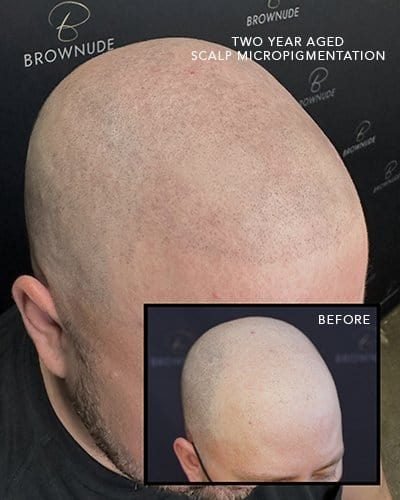
A first scalp micropigmentation appointment is where the transformation begins, but it is not where the final result is finished. This scalp micropigmentation first session guide will help you arrive prepared, understand what your artist is building, and feel confident about the healing period ahead. The goal is never to rush density or force a dramatic hairline. It is to create a natural foundation that looks refined from every angle.
Your scalp micropigmentation first session: the goal
Scalp micropigmentation, often called SMP, uses carefully placed pigment impressions to replicate the appearance of closely shaved hair follicles. It can add the look of density through thinning areas, soften the contrast of scalp visibility, camouflage certain scars, or create the appearance of a fuller, more intentional hairline.
Your first session is about mapping, balance, and restraint. An experienced artist studies your facial proportions, existing hair pattern, skin tone, and lifestyle before deciding where pigment should begin and how softly it should be layered. The work may look subtle at first, and that is by design. Natural looking SMP is built gradually.
For clients with diffuse thinning, the first appointment often establishes a delicate base through the areas of concern. For clients who keep their hair closely cropped or shaved, it may focus on a soft hairline and initial density across the scalp. If you are treating a scar, the artist will assess how the scar tissue accepts pigment before developing coverage over multiple sessions.
The final plan depends on your skin, the extent of hair loss or thinning, and the result you want to maintain long term. A premium treatment should look like it belongs to you, not like a sharply drawn-on solution.
Before your appointment: preparation matters
A thoughtful consultation should happen before any pigment is placed. This is your opportunity to discuss your goals honestly, share any previous scalp tattoos or cosmetic procedures, and review medications, skin conditions, sensitivities, and medical history that may affect treatment.
Your artist should explain whether SMP is appropriate for your current scalp condition. Active irritation, sunburn, open skin, certain dermatological concerns, or uncontrolled health conditions may mean postponing treatment. If you have had a hair transplant, your artist may also recommend waiting until the area has healed fully and your medical provider has cleared you for cosmetic tattooing.
In the days before your session, follow your studio’s specific prep instructions. Many artists ask clients to avoid alcohol, excessive caffeine, and blood thinning medications or supplements when medically appropriate. Never stop a prescribed medication without guidance from your prescribing provider. These recommendations are meant to support a comfortable appointment and predictable pigment retention, not replace medical advice.
Arrive with a clean scalp and avoid applying heavy oils, styling products, or self tanner near the treatment area. If you normally shave your head, ask whether the studio prefers you to shave beforehand or leave a small amount of growth for hairline assessment. For density work around longer hair, come in with your usual style so the artist can see how your hair naturally falls.
What happens when you arrive
The appointment begins with confirmation of your design plan. Your artist may take before photos, cleanse the scalp, and draw a preliminary hairline or treatment outline. This is a collaborative stage. Speak up if something feels too low, too sharp, or unlike your personal style.
A flattering hairline is rarely the lowest possible hairline. It should suit your age, bone structure, current hair pattern, and the way you want to wear your hair. A soft, slightly irregular edge usually reads more naturally than a perfectly straight line. The strongest SMP work is technically precise but never rigid.
Once you approve the placement, the artist begins building pigment with a specialized device and sterile, single use needle cartridges. The impressions are placed one by one, in a pattern designed to mimic natural follicle distribution. A professional studio should follow strict hygiene protocols, use appropriate protective barriers, and prioritize your comfort throughout the process.
Does the first session hurt?
Most clients describe scalp micropigmentation as manageable. Sensation varies by person and by area of the scalp. Some areas may feel like light scratching or repeated pinpricks, while others can be more sensitive, particularly near the hairline or temples.
Your comfort matters. Let your artist know if you need a short break, water, or a moment to adjust. Some studios use topical numbing products when suitable, while others tailor comfort measures to the client and treatment area. The length of the session depends on the size and complexity of the treatment, but first appointments commonly last several hours.
It is normal to feel both excited and slightly emotional during this process. Hair thinning and hair loss can affect how you feel when you look in the mirror. A skilled artist creates space for those feelings while remaining focused on the details that protect your result.
What your scalp may look like afterward
Immediately after the first session, the scalp can appear darker, sharper, or more defined than the healed result. Mild redness and tenderness are also common. Do not judge your final SMP result on appointment day. Fresh pigment needs time to settle, and the skin will begin its normal healing response.
Follow the aftercare instructions provided by your artist exactly. Most clients are asked to keep the treatment area dry for a period of time and avoid heavy sweating, swimming, saunas, direct sun exposure, and picking or exfoliating the scalp. The details can vary based on your treatment plan, skin type, and studio protocol, so your personalized instructions should always take priority over general advice.
As the scalp heals, some pigment softening is expected. This is one reason SMP is performed in a series rather than completed in a single, overly intense appointment. Trying to create full darkness in one sitting can produce an unnatural, saturated effect. Layering allows your artist to evaluate healing, retention, and color balance before adding the next level of density.
Why more than one session is usually needed
Most scalp micropigmentation treatments require multiple sessions, often spaced several weeks apart. The first session establishes the blueprint. Later sessions build dimension, deepen selected areas, blend transitions, and make any fine adjustments necessary after healing.
Your second session is where many clients begin to see the treatment come together. The artist can assess whether your skin retained pigment evenly, whether a particular area needs more density, and how the hairline looks in natural light. For some clients, two sessions are enough. Others need a third session, especially when treating extensive thinning, larger scars, or a broad scalp area.
Patience protects the quality of your investment. The most believable results come from an artist who is willing to build slowly rather than promise an instant finished look.
Choosing the right artist for your first session
SMP is a precision service, not a one size fits all tattoo. Before booking, look for healed results rather than only freshly completed photos. A fresh treatment can appear impressively bold, but healed work reveals whether the pigment was placed at the correct depth, whether the color stayed natural, and whether the hairline will age gracefully.
Ask about training, sanitation standards, pigment selection, and the studio’s approach to consultation and aftercare. A qualified artist should welcome thoughtful questions and set realistic expectations. You should never feel pressured into a hairline design, rushed into treatment, or promised permanent perfection without maintenance.
At Brownude, every aesthetic decision is approached with the same commitment to precision, hygiene, and natural looking enhancement that defines premium cosmetic tattooing. Your scalp deserves a plan that is tailored, not templated.
Your first session is a meaningful step toward feeling more polished and at ease in your appearance. Give the process the time it deserves, choose expertise over shortcuts, and let each carefully placed layer bring the result into focus.