
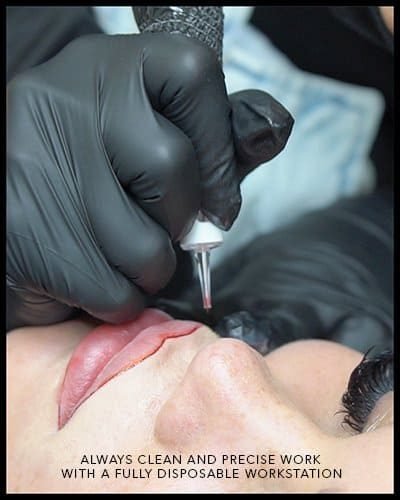
The first time you see truly beautiful permanent makeup up close, one thing becomes clear fast – this is not casual beauty work. A well shaped brow, a balanced lip blush, or a soft lash enhancement can change how someone feels every morning. If you’re researching how to start permanent makeup career options, you’re stepping into a field that blends artistry, precision, sanitation, and client trust at a very high level.
That mix is exactly what attracts many artists to this industry. Permanent makeup offers real earning potential, creative fulfillment, and the chance to deliver results clients wear every day. But it is also a serious service. The artists who build lasting careers are not simply talented. They are thoroughly trained, safety focused, disciplined, and committed to natural looking results.
How to start permanent makeup career training the right way
A strong career starts with education, not a machine kit bought online and a few practice videos. Permanent makeup is a tattoo service performed on the face. That means your work affects appearance, skin integrity, healing, and long term client satisfaction. Cutting corners at the beginning usually shows up later in poor retention, uneven healed results, corrections, or removal.
Start by choosing foundational training from a respected academy with real standards. Look for hands on instruction, live model work, detailed theory, healed result examples, and strong guidance around skin, color, contraindications, hygiene, and client consultation. If a program only sells the dream of fast money, be careful. Serious education should make you feel more responsible, not just more excited.
It also helps to think beyond one certificate. In permanent makeup, beginner training is the start, not the finish line. Brows may be the most common entry point, but lip blush, eyeliner, corrections, and removal all require different judgment and technique. The best artists continue refining their work long after their first class.
Choose a specialty before you try to do everything
New artists often feel pressure to offer brows, lips, liner, scalp micropigmentation, and removal immediately. In most cases, that is too much too soon. It is far smarter to become excellent at one service first.
Brows are often the most practical starting point because demand is steady and the service teaches essential skills like mapping, depth control, pigment selection, symmetry, and healed result assessment. Once your brow work is consistent, you can expand with more confidence. A focused start usually creates a stronger reputation than a broad but average menu.
Learn the science, not just the pattern
Many beginners obsess over shape and social media aesthetics. Shape matters, but science matters just as much. You need to understand skin type, undertones, healing behavior, trauma, saturation, and why pigment can heal warm, cool, or patchy. You also need to know when not to treat a client.
That judgment is what separates a polished professional from someone who only knows the steps of a procedure. Clients are trusting you with their face. They need more than pretty before and afters.
Licensing, regulations, and setup
If you want to know how to start permanent makeup career plans legally, this is where many people get sloppy. Requirements vary by state, county, province, and local public health authority. Some areas classify permanent makeup under tattooing, while others regulate it through esthetics, body art, or health licensing rules. You need to research the exact requirements where you plan to work, not just where you trained.
In practical terms, this may include bloodborne pathogen certification, local business licensing, health department approvals, facility inspections, consent forms, insurance, and documented sanitation protocols. If you plan to rent a room or work inside another beauty business, confirm that the location itself is approved for this type of service.
This part may not feel glamorous, but it protects your reputation. Premium clients notice professionalism. Clean setup, proper documentation, and strong aftercare standards are not extras. They are part of the service.
Build skill before you chase speed
One of the biggest beginner mistakes is trying to work faster before learning how to work well. In permanent makeup, speed without control usually creates poor retention, overworked skin, and results that do not heal beautifully.
Early in your career, your priority should be consistency. Practice your stretches, line work, pressure, machine handling, and mapping until they become second nature. Take clear photos in the same lighting. Study healed outcomes, not just fresh work. Fresh results can flatter almost anyone. Healed results tell the truth.
This is why mentorship matters. Feedback from an experienced trainer can save you months of confusion. Small adjustments in hand speed, needle choice, pigment load, or skin approach can dramatically change your work.
Your portfolio is your real resume
Clients rarely ask how passionate you are. They want to see proof. A clean, honest portfolio does more for your career than a polished caption ever will.
Use high quality images with consistent angles, lighting, and close ups. Show healed work as often as possible. Include a range of skin tones, age groups, and starting points. If you only post one brow style on one type of face, potential clients may not trust your versatility.
Be careful not to overedit. Heavy filters, sharpened images, and misleading lighting may attract attention in the short term, but they weaken trust. In this industry, trust is everything. A refined portfolio should look elevated, but still real.
Start with a business model you can sustain
There is no single right path. Some artists begin by joining an established studio. Others rent space, work under mentorship, or eventually open their own clinic. What matters is choosing a model that supports growth, compliance, and quality.
Working in a reputable studio can be an excellent first move because it gives you structure, exposure to client flow, and often better insight into operations. You also learn how strong businesses handle scheduling, consultations, touch ups, sanitation, client concerns, and retention. Going fully solo offers more independence, but it also means carrying every responsibility yourself from day one.
Neither route is automatically better. It depends on your finances, confidence level, local regulations, and access to support.
Price like a professional, not like a beginner desperate for bookings
Many new artists underprice themselves so heavily that they create problems before their business even stabilizes. Extremely low pricing can attract bargain driven clients with unrealistic expectations, and it can make it harder to raise rates later.
That said, premium pricing should match your experience. A smart approach is to begin with model pricing or introductory rates that reflect your training stage while still respecting the service. You are not just charging for time. You are charging for supplies, safety, skill development, follow up care, and professional responsibility.
Marketing that actually builds trust
Permanent makeup is a visual, referral driven business. The most effective marketing is usually a combination of strong results, client experience, and local visibility. Social media helps, but it should support your credibility, not replace it.
Post work that reflects your standards. Share healed results, not just fresh transformations. Educate clients in a clear, calm way about healing, candidacy, and aftercare. Show your treatment space. Show your hygiene standards. Show your face and your professionalism. People are far more likely to book facial tattoo services with someone who feels skilled, warm, and trustworthy.
Reviews matter too. Encourage satisfied clients to speak about their experience, especially if they mention comfort, cleanliness, natural results, and how the healed work fits their features. Those details speak directly to future bookings.
What makes a permanent makeup career last
Talent can open the door, but longevity comes from judgment. The artists who stay booked year after year usually have a few things in common. They know when to say no. They do not copy every trend. They prioritize healed outcomes over dramatic fresh photos. And they keep learning.
This field changes. Pigment lines evolve, client preferences shift, removal becomes more relevant, and standards continue rising. That is a good thing. Clients deserve artists who treat permanent makeup like a serious profession.
If you want to build a career with staying power, train with intention, protect your standards early, and let your work mature before you rush your growth. A beautiful result is never just about technique. It is the product of education, restraint, taste, and care. That is what clients remember, and that is what turns a new artist into a respected one.