
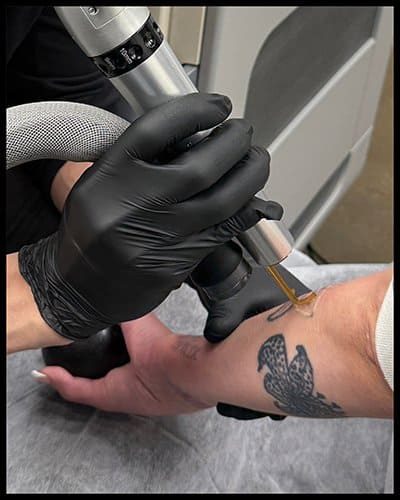
A great removal result is not just about getting ink to fade. It is about preserving the skin while moving you closer to a clean slate. That is exactly why a PicoWay laser review matters to anyone considering tattoo or permanent makeup removal. The technology has built a strong reputation, but the real question is simpler – does it perform well enough to justify the investment, the sessions, and the patience it requires?
For many clients, the answer is yes. PicoWay is widely regarded as the most advanced laser systems for pigment removal because it uses ultra short picosecond pulses designed to break ink into smaller particles. In practical terms, that can mean more efficient fading, less heat delivered into the skin, and a treatment path that feels more precise than older laser platforms. Still, no laser is magic. Results depend on the type of pigment, the depth of the ink, your skin, and the skill of the provider using the device.
PicoWay laser review: what stands out
The strongest point in any PicoWay laser review is usually speed of pulse duration. PicoWay delivers energy in picoseconds, which are shorter than nanoseconds. That matters because the laser is targeting pigment with a photoacoustic effect rather than relying as heavily on heat. Less thermal injury is a meaningful advantage when the goal is to remove unwanted ink without compromising the surrounding skin.
From a client perspective, this often translates to a treatment that feels advanced, controlled, and clinically refined. For cosmetic tattoo removal, especially in delicate facial areas, that distinction matters. Brows, lip blush, and small body tattoos need thoughtful treatment. The best outcomes come from technology that can treat pigment effectively while respecting the skin’s integrity.
Another standout feature is versatility. PicoWay is used for a range of ink colors and concerns, from traditional tattoos to certain forms of permanent makeup. Black pigment is generally the easiest to treat. Reds, oranges, and some warmer tones can also respond well with the right wavelength. The challenge comes with resistant pigments, layered work, titanium dioxide, or inks that have already been altered by prior removal attempts. This is where an honest review has to stay balanced, excellent technology improves the odds, but it does not remove the complexity.
How PicoWay feels during treatment
Most clients want to know one thing before they book – how much does it hurt?
PicoWay is not painless, but many people find it tolerable. The sensation is often described as a fast snapping feeling against the skin, similar to a rubber band but sharper. The treatment itself is usually quick, which helps. Small cosmetic tattoo areas can be treated in a couple minutes, while larger tattoos naturally take longer.
Pain level depends on location, skin sensitivity, and your own tolerance. Facial areas can feel intense because the skin is thinner and more vascular. Even so, many clients prefer a short, effective session over a slower treatment process that drags on. Cooling measures and proper aftercare also make a noticeable difference in comfort.
If you are removing old PMU because the shape, color, or saturation no longer suits you, the temporary discomfort can be worth it. The bigger concern should not be whether it stings. It should be whether the treatment plan is appropriate for your ink and your skin.
Results: what you can realistically expect
This is where many reviews become too simplistic. PicoWay can produce excellent fading, but results happen in stages. One session rarely tells the full story.
For some clients, early treatments create dramatic lightening. Others see more gradual change, especially when dealing with dense saturation, stubborn colors, or multiple layers of previous tattooing. Cosmetic pigments can be particularly unpredictable because formulations vary widely. Some inks fade beautifully. Others shift in tone before they clear further. That does not always mean the treatment failed. It often means the provider needs to adjust the strategy.
Most clients need a series of sessions spaced several weeks apart. The body needs time to process fragmented pigment after each treatment. Trying to rush the timeline is not helpful. Better fading usually comes from smart intervals, careful assessment, and patience.
Skin response also matters. Slight redness, swelling, frosting, or temporary darkening can occur after treatment. In experienced hands, these are typically expected responses rather than signs of a problem. The goal is always progressive fading with healthy healing between sessions.
Is PicoWay better than older tattoo removal lasers?
In many cases, yes.
Older Q-switched lasers have been used for tattoo removal for years and can still be effective. But PicoWay is often favored because of its shorter pulse duration and ability to target pigment with less reliance on heat. That difference can be especially valuable for clients who want a more modern treatment approach and for providers focused on precision.
For cosmetic tattoo removal, where the treatment area is highly visible and aesthetically sensitive, newer technology can offer an extra level of confidence. That said, the machine alone does not create the outcome. A sophisticated platform in untrained hands is not an advantage. Proper assessment, wavelength selection, conservative treatment settings, and good judgment still matter just as much as the device itself.
The trade-offs most reviews skip
A polished PicoWay laser review should also talk about trade-offs.
First, it is a premium technology, so treatment pricing is often higher than what you might find with older systems. For many clients, that is a worthwhile trade for better treatment precision and a stronger safety profile. But budget still matters, especially if you know you will need multiple sessions.
Second, PicoWay is highly effective, but not every pigment behaves predictably. Certain permanent makeup colors, especially those containing white or flesh toned additives, can oxidize or shift. This is why consultation is essential. It is better to hear a nuanced answer upfront than a confident promise that ignores the chemistry of the ink.
Third, downtime is usually manageable, but aftercare still requires discipline. You may have redness, sensitivity, swelling, or minor surface changes right after treatment. Clients with busy schedules often appreciate that recovery is generally lighter than they expect, but you still need to protect the area and let the skin heal properly.
Who is a good candidate for PicoWay?
PicoWay can be a strong option for clients who want to remove unwanted tattoos, lighten previous permanent makeup for correction, or clear space for better future work. It is especially appealing to those who value advanced technology, visible professionalism, and a treatment plan built around skin preservation rather than aggressive over treatment.
It may be a particularly smart fit if you have faded brows from older PMU, a lip tattoo that healed too cool or too saturated, or body art that no longer reflects your style. It is also relevant for artists and beauty professionals who want removal options that support correction work at a higher standard.
The best candidates are realistic ones. They understand that removal is a process, not a one visit fix. They want quality care, careful evaluation, and results that prioritize both fading and skin health.
PicoWay laser review for PMU removal
For permanent makeup removal, PicoWay earns strong marks when used by a skilled provider who understands cosmetic pigments. This is not the same as removing a standard black body tattoo. Brow tattoos, lip blush, eyeliner, and correction cases all require more judgment.
The benefit is that PicoWay offers a refined approach for clients who want to undo work that feels too dark, too dense, too cool, or simply no longer aligned with their features. In a premium studio setting, where hygiene, assessment, and precision are treated seriously, the technology fits beautifully into a corrective treatment menu. That is one reason respected studios such as Brownude have incorporated PicoWay into advanced removal services.
For clients, that means the review should not focus only on the machine. It should also focus on where you go, who treats you, and whether your provider understands both removal science and aesthetic restoration.
So, is PicoWay worth it?
If your priority is body tattoo or PMU removal with strong fade potential and a more skin conscious approach, PicoWay is worth serious consideration. It is one of the better known options for a reason. The treatment can be fast, effective, and impressively precise.
But worth it does not mean effortless. It means committing to a thoughtful process, realistic expectations, and expert care. The right provider will tell you where PicoWay shines, where caution is needed, and what your likely treatment path looks like before the first session even begins.
The best removal work is never rushed. It is measured, strategic, and designed to give your skin every chance to heal beautifully while the old pigment lets go.