
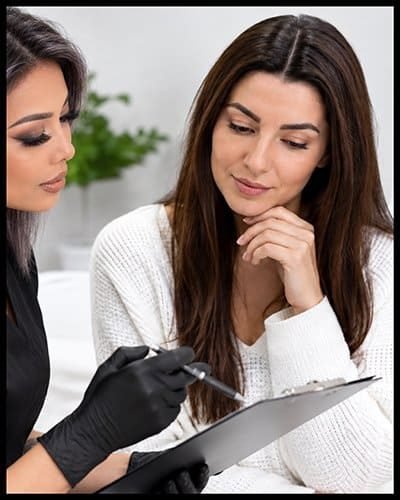
A beautiful cosmetic tattoo begins long before pigment touches the skin. This permanent makeup contraindications guide helps you understand when treatment may need to wait, when medical clearance is appropriate, and why an honest consultation protects both your health and your final result.
Permanent makeup is a precise, elective procedure. Whether you are considering powder brows, microblading, nano brows, lip blush, eyeliner, or scalp micropigmentation, your artist needs a clear picture of your skin, medical history, medications, and healing capacity. The goal is never to turn a client away unnecessarily. It is to create the safest possible conditions for polished, natural looking work that heals beautifully.
Why Contraindications Matter in Permanent Makeup
Cosmetic tattooing creates controlled microchannels in the skin and places pigment beneath the surface. Your body then begins a healing response. Anything that affects bleeding, inflammation, immune function, skin integrity, or pigment retention can affect that process.
A contraindication may mean treatment is not appropriate at all, but more often it means the appointment should be postponed. A temporary concern, such as a cold sore outbreak before lip blush or irritated skin around the brows, is very different from a condition that requires physician approval or a different service plan.
A professional artist should never diagnose a medical condition. They can identify risk factors, explain why they matter to the procedure, and ask you to consult your licensed healthcare provider when necessary. Medical clearance is not a formality. It is a thoughtful safeguard for clients whose health history may change the risk profile of treatment.
Permanent Makeup Contraindications Guide: When to Postpone
Some situations call for a simple pause. Rescheduling gives your skin and body the opportunity to heal, which can make a meaningful difference in comfort, color retention, and the appearance of the finished work.
Pregnancy and Nursing
Most reputable studios do not perform permanent makeup during pregnancy. This is an elective service, and pregnancy can bring changes in skin sensitivity, immune response, circulation, and pigment behavior. There is also no reason to introduce avoidable variables during this time.
Policies around nursing can vary by studio, treatment area, and client health history. Many artists choose to wait until breastfeeding has ended. If you are nursing, disclose it during your consultation so the studio can advise you according to its safety standards.
Active Illness, Infection, or Compromised Skin
If you are feeling unwell, have a fever, are taking antibiotics for an infection, or have an active viral or bacterial condition, postpone your appointment. Your immune system has more important work to do, and healing from a cosmetic tattoo may be less predictable.
The treatment area must also be calm and intact. Rashes, sunburn, open skin, dermatitis, acne lesions, cuts, and recent chemical irritation can make tattooing uncomfortable and increase the chance of uneven healing. For brows, this includes flaky or inflamed skin caused by overly active skincare. For lips, it includes cracked lips or an active cold sore.
Recent Cosmetic Treatments
The timing of other beauty services matters. Injectable treatments, chemical peels, microneedling, laser procedures, waxing, tinting, lamination, and strong exfoliating treatments can all leave skin more reactive than it appears.
There is no one size fits all waiting period because the appropriate timing depends on the procedure, the treatment area, and how your skin has recovered. Tell your artist about every recent facial or skin treatment, even if it seems unrelated. A careful plan is better than rushing an appointment and compromising your results.
Medications and Medical Conditions That Need Review
Many clients safely receive permanent makeup after proper screening. Still, certain medications and health conditions require added care, documentation, or approval from a healthcare provider.
Blood thinning medications and anticoagulants can increase bleeding and bruising during treatment. More bleeding can also affect visibility for the artist and interfere with pigment implantation. Never stop prescribed medication simply to receive permanent makeup. Only your prescribing clinician can advise whether treatment is appropriate.
Immune suppressing medications, autoimmune conditions, uncontrolled diabetes, bleeding disorders, a history of poor wound healing, and certain heart conditions may also require medical clearance. The concern is not about judgment. It is about reducing avoidable risk and ensuring your body can heal as expected.
Retinoids deserve special attention. Prescription isotretinoin and topical retinoids can affect skin sensitivity and healing. Disclose both prescription and over the counter skincare products, including retinol, tretinoin, exfoliating acids, and acne medications. Your artist can then provide preparation instructions or recommend a later appointment date.
If you have had chemotherapy, radiation, or major surgery, speak with your medical team before booking. The right timing depends on your recovery, current treatment plan, and overall health.
Lip Blush Has Its Own Considerations
Lip blush clients should be especially transparent about any history of cold sores, also called oral herpes. Cosmetic tattooing around the lips can trigger an outbreak, even if you have not had one in years. Your healthcare provider may recommend an antiviral prescription before your appointment.
Do not arrive with an active cold sore, tingling, swelling, or irritation around the mouth. Treatment should be moved until the area has fully healed. This protects your comfort and helps prevent compromised color retention or an uneven healed result.
Recent lip filler also needs to be disclosed. Filler can alter lip shape, swelling patterns, and the way the skin accepts pigment. Your artist will help determine an appropriate interval based on your provider’s recommendations and the condition of your lips.
Allergies, Sensitivities, and Prior Tattoo Reactions
Tell your artist about allergies to latex, topical anesthetics, metals, pigments, adhesives, disinfectants, or skincare ingredients. A previous reaction to a conventional tattoo, hair dye, or cosmetic product is also relevant, even if the reaction seemed minor.
A patch test may be recommended for clients with a concerning allergy history. It can offer useful information, but it cannot guarantee that no reaction will occur. Your consultation should include a straightforward conversation about known sensitivities, products used during the procedure, and the realistic limits of allergy screening.
If you have existing permanent makeup, correction work requires its own assessment. Previous pigment color, depth, density, scar tissue, and migration can all influence what is possible. In some cases, removal or lightening may be the better first step before new work is considered.
How to Prepare for an Honest Consultation
The strongest consultations are detailed, not rushed. Bring or share a current medication list, disclose relevant medical diagnoses, and be candid about previous procedures in the area. Your artist is not looking for perfect answers. They are looking for the information needed to care for you properly.
Before confirming an appointment, be prepared to discuss:
- Current medications, supplements, and topical skincare products
- Pregnancy, nursing, recent illness, and healing concerns
- Allergies, cold sore history, and past reactions to tattoos or cosmetics
- Recent injectables, laser sessions, peels, facials, or other skin treatments
- Existing permanent makeup, scar tissue, or removal history
Follow pre care instructions exactly, including guidance around alcohol, caffeine, exercise, sun exposure, and approved skincare. These directions are designed to support a stable procedure and a more predictable healing process, not to add unnecessary rules to your day.
Safety Is Part of the Luxury Experience
A premium permanent makeup experience should feel calm, personal, and exceptionally well managed. That includes a licensed, health inspected environment, sterile single use supplies, careful client screening, and an artist who is willing to postpone treatment when conditions are not right.
At Brownude, precision and client care belong in the same conversation. A breathtaking result is not just about the design on appointment day. It is about respecting the skin, honoring the healing process, and making decisions that serve your long term outcome.
If your appointment needs to wait, consider that a sign of professional care. The right time for permanent makeup is when you can sit back with confidence, heal with support, and enjoy results that help you feel fabulous and look amazing.