
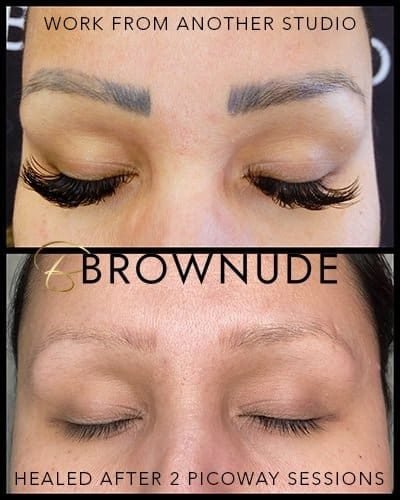
A brow that healed too cool, lip blush that turned uneven, or old permanent makeup that no longer suits your features can change the way you feel every time you look in the mirror. This cosmetic tattoo removal options guide is here to make that next step feel clearer, calmer, and far more informed.
Removal is not one size fits all. The right approach depends on where the pigment sits, the color used, how saturated it is, how long it has been in the skin, and what your end goal looks like. Some clients want a full reset. Others want enough fading to make room for a beautiful correction. Both are valid, and both require a skilled plan.
What this cosmetic tattoo removal options guide should make clear
Cosmetic tattoo removal is different from removing body art. Permanent makeup is often placed more superficially, but the pigments can be unpredictable. Brows may contain carbon, iron oxides, titanium dioxide, or a blend of tones that shift over time. Lip pigment can respond differently than brow pigment. Eyeliner brings an entirely different level of caution because of the delicate treatment area.
That is why removal should never be treated like a quick fix. It is a clinical aesthetic service that calls for proper assessment, hygiene, and precision. In many cases, the best result comes from choosing the right method early rather than chasing repeated treatments that are poorly matched to the pigment.
The main cosmetic tattoo removal options
There are two primary paths clients consider most often: laser removal and saline removal. In some cases, a provider may recommend one over the other. In others, a combination approach may be appropriate over time. What matters most is suitability, not trend.
Laser removal
Laser removal works by targeting pigment in the skin with bursts of energy, allowing the body to gradually clear fragmented particles. Advanced systems such as PicoWay are often chosen for their speed, precision, and ability to treat a range of tattoo colors with less heat than older technologies.
For cosmetic tattooing, laser can be especially effective when the goal is significant fading or full removal. It is often a strong option for unwanted eyebrow tattoos and some scalp micropigmentation cases. Sessions are spaced out to give the skin time to heal and the body time to process the pigment.
A sophisticated device helps, but the provider’s assessment is what protects the outcome.
Saline removal
Saline removal is a non-laser method that uses a specialized saline based solution implanted into the treatment area. During healing, the skin forms a scab and pulls some pigment upward as it sheds. This method is often considered for emergency removal or cases where a client is not a laser candidate.
Saline can be useful, but it also has limitations. It may require multiple appointments, and results can be gradual. It is highly technique dependent and aftercare dependent. If a client tends to pick, peel, or rush healing, the skin can be put under unnecessary stress.
For emergency removal shortly after a fresh permanent makeup treatment, saline may sometimes be used in a time sensitive window. For older work, it can help lighten residual pigment or adjust specific areas before a correction procedure. The trade off is that it often demands patience.
Which option is better for brows, lips, eyeliner, and scalp?
It depends on the area and the pigment behavior.
Brows are the most common concern. If the shape is too heavy, the color has shifted gray, blue, red, or orange, or the work is simply too saturated for a correction, laser is often the more efficient choice for broader fading. Saline may be better suited for clients who need an alternative to laser for yellow pigment.
Lips require extra care because the tissue is vascular and sensitive. Not every lip pigment should be approached the same way, and not every provider is equipped to treat it properly. The priority is not speed. It is preserving healthy tissue while reducing unwanted pigment as safely as possible.
Eyeliner is highly specialized. Eye protection protocols and provider experience are essential. This is not an area where bargain shopping makes sense.
Scalp micropigmentation can respond well to laser, especially when the goal is softening density, changing the hairline design, or removing older work that no longer looks natural.
Factors that influence your results
The most common question clients ask is how many sessions they will need. The honest answer is that no ethical provider should promise an exact number before seeing your skin and pigment.
Several factors affect the process. Older pigment may fade more easily than newer, dense work. Layered permanent makeup can take longer. Certain warm tones may respond differently than cooler tones. Immune response, skin integrity, sun exposure, and aftercare all play a role.
Your end goal matters too. If you want enough fading to allow for a color correction, you may need fewer sessions than someone seeking complete removal. Sometimes 60 to 80 percent fading is the perfect clinical result because it creates a clean foundation for better work.
What treatment feels like and what healing looks like
Most clients say removal is manageable, but the sensation varies by method and treatment area. Laser is often described as quick snaps of heat or elastic band flicks. Saline tends to feel more like a cosmetic tattoo procedure with a slight tingly burn.
Healing is part of the treatment, not an afterthought. After laser, the area may look frosty, swollen, red, or slightly darkened before it settles. After saline, the skin may form a dry crust or scab as it lifts pigment. In both cases, proper aftercare supports better results and helps protect the skin.
The skin should be left alone to heal. No picking, no aggressive skincare, and no shortcuts because a social event is coming up. Clients who heal well usually follow instructions closely and allow enough time between sessions.
How to choose the right provider
This may be the most important section in any cosmetic tattoo removal options guide. Removal is not just about equipment. It is about judgment, sanitation, anatomical awareness, and honest treatment planning.
Look for a provider who works in a licensed, health inspected setting and who understands permanent makeup pigments specifically, not just general tattoo removal. Ask whether they have experience with cosmetic tattoo correction, whether they assess pigment type carefully, and whether they explain risks clearly. You want confidence, not pressure.
A premium provider will also tell you when not to treat. If your skin barrier is compromised, if the pigment reaction is uncertain, or if more healing time is needed, the safest recommendation may be to wait. That kind of restraint is a mark of professionalism.
When removal makes sense before correction
Many clients come in hoping to fix previous work with new pigment immediately. Sometimes that is possible. Often, it is not the best path.
If the old shape sits outside your natural ideal brow line, if the color is too dark, or if the skin has become oversaturated from repeat sessions, correction without removal can lead to a heavier, muddier result. Strategic fading creates room for elegance. It gives the artist more control over shape, softness, and color balance.
This is where an experienced studio can make a meaningful difference. Brownude approaches removal and corrective work with the same standard of precision because the goal is never simply to erase. It is to restore confidence with a plan that respects both beauty and skin health.
Realistic expectations lead to better outcomes
The most successful removal journeys usually begin when clients let go of the idea of one perfect, instant appointment. Cosmetic tattoo removal is a process. Some pigments clear beautifully. Some resist. Some surprise everyone and need a change in strategy.
That does not mean you are stuck with unwanted permanent makeup forever. It means your best result is built through assessment, method selection, careful spacing, and healthy healing. When those pieces are in place, removal becomes far more predictable and far less overwhelming.
If you are deciding what to do next, start with a professional evaluation rather than a guess. The right plan should feel informed, tailored, and reassuring from the beginning. A polished result often starts with knowing what to remove, what to keep, and when patience will serve you best.