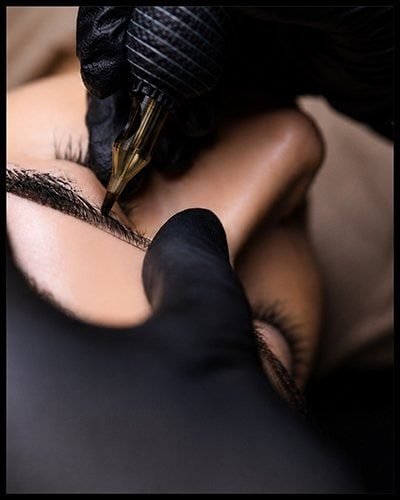
A polished brow, defined lash line, or soft lip tint can save time every morning – but the real question behind the beauty payoff is simple: is permanent makeup safe? The honest answer is yes, permanent makeup can be very safe when it is performed by a properly trained artist in a licensed, health inspected environment using correct technique, quality pigments, and strict hygiene. It is not risk free, and that distinction matters.This is where many clients get tripped up. They assume permanent makeup is either completely harmless or automatically dangerous. In reality, safety depends far less on the treatment name and far more on who is performing it, how the procedure is done, what products are used, and whether your skin and health history make you a good candidate.
Is permanent makeup safe for most people?
For most healthy adults, permanent makeup is generally considered safe when it is done professionally and aftercare is followed carefully. Treatments such as powder brows,
lip blush, eyeliner, and scalp micropigmentation involve implanting pigment into the skin with specialized equipment. That means the skin barrier is being intentionally disrupted, so proper sanitation and technique are essential.A safe procedure should begin well before the pigment touches the skin. A qualified artist reviews your medical history, discusses allergies and medications, checks for contraindications, and explains realistic healing expectations. If that conversation feels rushed or missing altogether, that is a concern.Permanent makeup is still a tattoo service, even if the aesthetic result is softer and more refined than body art. Because of that, the same core safety principles apply – sterile setup, single use needles or cartridges where required, appropriate disinfection, cross contamination prevention, and clear aftercare instructions.
What are the real risks?
The risks are real, but they are usually manageable and often preventable when the procedure is done correctly. The most common issue is not a dramatic medical emergency. It is poor work caused by poor judgment – incorrect depth, bad symmetry, wrong pigment choice, overworked skin, or careless healing support.That said, there are medical and cosmetic risks clients should understand.
Infection
Any procedure that breaks the skin carries an infection risk. This risk rises sharply when sanitation standards are weak, tools are mishandled, or aftercare is ignored. Touching healing brows with unwashed hands, using old makeup over a fresh procedure, or exposing the area to sweat and bacteria too soon can all create problems.A professional studio reduces this risk through strict hygiene protocols, but the client also plays a role once they leave the appointment.
Allergic or sensitivity reactions
Some people react to topical numbing products, aftercare products, latex, or ingredients in pigments. True pigment allergies are less common than people think, but sensitivities do happen. This is why a thorough consultation matters.If you have a history of skin reactivity, autoimmune concerns, or previous reactions to cosmetic procedures, that should be discussed upfront rather than brushed aside.
Unsatisfactory healing or color changes
Permanent makeup does not heal exactly the same on every skin type. Oily skin, mature skin, sun damaged skin, and skin with prior scar tissue can all affect retention and appearance. A treatment can be technically safe but still heal unevenly if the artist uses the wrong approach for the skin.Pigment can also shift over time. That does not always mean the pigment was unsafe. It may reflect skin chemistry, sun exposure, previous work in the skin, or low quality product selection.
Scarring and overworking the skin
When an artist works too deeply, passes over the same area too aggressively, or uses poor machine control, the skin can become traumatized. This may lead to prolonged healing, texture changes, or in rare cases, scarring.This is one reason advanced training matters so much. Precision is not just about beauty. It is a safety issue.
What makes permanent makeup safer?
If you are asking whether permanent makeup is safe, the better question is what conditions make it safe. The answer is a combination of environment, education, and judgment.A reputable studio should be licensed where required and operate under clear sanitation standards. The treatment space should feel clean, organized, and professional. Artists should understand skin anatomy, pigment behavior, contraindications, emergency protocols, and healing patterns, not just how to create a pretty shape.Product quality also matters. Professional grade pigments and disposables are part of a safer experience, but they are not enough on their own. Even excellent products can produce poor outcomes in untrained hands.The consultation is another major safety marker. You should be asked about pregnancy or nursing status, blood thinners, active skin conditions, keloid history, diabetes, recent cosmetic procedures, medications such as Accutane, and any condition that may affect healing.
Who should be cautious or postpone treatment?
Some clients are good candidates right away. Others should wait, modify the plan, or avoid treatment entirely.You may need extra caution if you are pregnant, nursing, immunocompromised, prone to keloids, managing uncontrolled diabetes, using certain acne medications, or experiencing active eczema, dermatitis, rosacea flare ups, or infection near the treatment area. Recent Botox, chemical peels, laser treatments, or facial surgery can also affect timing.If you have previous permanent makeup done elsewhere, that adds another layer. Old pigment in the skin can change how new work heals and how much correction is possible. In some cases, removal or lightening is the safest path before adding new pigment.A strong practitioner will not treat every concern as a quick cover up. Sometimes the most professional answer is not yet.
Is permanent makeup safe compared to daily makeup use?
For many clients, permanent makeup can reduce daily friction. Less brow pencil, less eyeliner, less lip product, less time spent trying to recreate symmetry every morning. For someone with sparse brows, faded lip color, allergies to traditional makeup, or a demanding schedule, that convenience is a real quality of life benefit.But safer does not always mean simpler. Daily makeup sits on top of the skin and can be removed at night. Permanent makeup requires skin penetration, healing time, and long term planning. You are trading a daily cosmetic routine for a procedure that demands expertise and commitment.That trade can be well worth it. It just should be entered with clear expectations.
How to evaluate a studio before you book
The safest appointment often starts with what you notice before you ever sit in the chair. Look closely at healed results, not just fresh ones. Fresh work can look crisp on almost anyone. Healed work reveals whether the artist understands retention, softness, color balance, and skin response.Pay attention to whether the artist explains the process with confidence and specificity. They should be able to talk about healing stages, touch up expectations, pigment selection, and who may not be a candidate. Vague reassurance is not the same as expertise.It also helps to ask practical questions. Is the facility health inspected? Are tools single use where appropriate? What is the protocol for correction if previous work exists? What aftercare support is provided? Premium service is not just about luxury. It is about standards.For clients seeking cosmetic tattooing or correction, Brownude reflects the kind of environment where safety and artistry are treated as inseparable. We are a completely fully disposable studio and use one time use sterile set up kits from BrowBox.
The role of aftercare in safety
Even beautiful work can be compromised by careless healing. Aftercare is not a formality, it is part of the treatment.You may be asked to avoid sweating, swimming, direct sun, picking, exfoliating acids, heavy makeup on the area, or certain skincare ingredients during healing. That is not excessive. It protects the skin while the pigment settles.Clients sometimes assume the appointment is the hard part and aftercare is optional. In reality, aftercare helps prevent infection, preserves skin integrity, and supports better color retention. If you are not prepared to follow instructions closely, it is better to delay treatment than risk a poor outcome.
So, is permanent makeup safe?
Yes!…when it is performed on the right client, by the right professional, in the right setting, with the right aftercare. That is the full answer. Not a blanket yes, not a fear based no.Permanent makeup should feel like a refined beauty service backed by clinical level standards. If a studio takes shortcuts with consultation, hygiene, or education, the treatment becomes less safe no matter how attractive the price or portfolio may seem. If the artist is
trained, transparent, and meticulous, permanent makeup can be a reliable and confidence boosting option.If you are considering it, trust the places that treat safety as part of the artistry, not a footnote. Your face deserves that level of care.