
Regret usually shows up quietly. It might be a brow shape that no longer suits your face, lip blush that healed too cool, or an old body tattoo that feels disconnected from who you are now. When clients start researching the best tattoo removal methods, they are rarely looking for hype. They want clarity, safety, and a treatment plan that respects both their skin and their goals.
The truth is that there is no single removal method that is best for every tattoo. The right choice depends on what was implanted, how deep it sits in the skin, the color used, the age of the tattoo, and whether you want full removal or simply enough fading for a better correction. That is where expert assessment matters.
What makes the best tattoo removal methods different?
The strongest removal options are not defined by speed alone. They are defined by precision, skin safety, and how well they match the tattoo being treated. A method that works beautifully for unwanted permanent makeup may not be the right choice for a dense body tattoo. Likewise, a treatment that clears dark ink effectively may be less predictable on certain cosmetic pigments.
This is why thoughtful providers avoid one size fits all promises. In real practice, successful removal is about choosing the method that gives the best balance of fading, healing, and cosmetic outcome.
Laser removal for unwanted tattoos
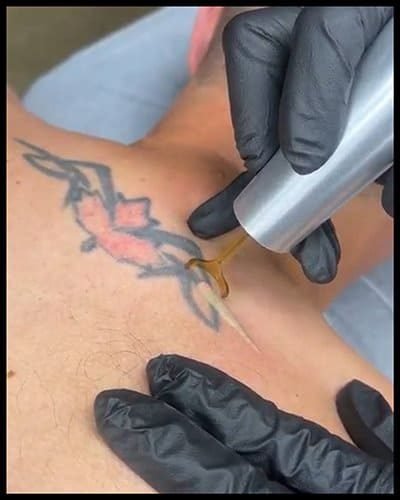
Laser tattoo removal is widely considered one of the best tattoo removal methods for many unwanted tattoos, especially darker pigments. Advanced picosecond technology works by delivering ultra short pulses of energy that shatter ink particles into smaller fragments, allowing the body to gradually clear them over time.
For body tattoos, laser is often the leading option because it can target ink without cutting the skin. It is especially effective on black and dark blue pigment, though response varies by color, density, and layering. Newer tattoos, older tattoos, amateur tattoos, and professional tattoos can all behave differently under laser treatment.
For cosmetic tattooing, laser can also be highly effective, but it requires a more refined approach. Brows, lip pigment, and other facial work need careful evaluation because some pigments can shift in tone before they fade. Iron oxide based pigments, for example, can sometimes darken temporarily after laser exposure. That does not always mean laser is the wrong choice, but it does mean your provider should understand permanent makeup chemistry, not just body art removal.
A major advantage of laser is that it can create progressive fading with less surface trauma than more aggressive methods. The trade off is patience. Most clients need a series of sessions spaced out over time, and complete removal is never something an ethical provider should guarantee.
When laser is often the best fit
Laser tends to be an excellent option when the tattoo is dark, well defined, and you want significant fading or full removal over a series of treatments. It is also a strong choice for clients who value advanced technology and want a clinically guided process.
If your goal is correction rather than complete erasure, laser can be especially useful. Fading an old brow tattoo enough to create space for a better shape is often more realistic and aesthetically pleasing than chasing total disappearance.
Saline removal for cosmetic tattoo correction
Saline removal is another respected option, particularly in the permanent makeup space. Instead of using light energy to break apart pigment, saline removal works by implanting a saline based solution into the treated area, drawing pigment upward as the skin heals.
This method has a very specific place in the conversation around the best tattoo removal methods. It is not usually the first recommendation for large body tattoos, but it can be extremely valuable for cosmetic tattoo removal. Especially permanent makeup that is freshly done and you already know it is unwanted. Brows are one of the most common examples, especially when pigment placement or shape is off, emergency saline removal is the service of choice for fresh unwanted permanent makeup in some cases, where quick action matters.
That said, saline is not a shortcut. It can require multiple sessions, and healing is a visible part of the process. Because it works through the skin’s surface, aftercare and provider technique matter greatly. Done properly, it can be a valuable solution for cosmetic tattoo clients who need a controlled, correction focused approach.
Methods that are less commonly recommended
There are older or more aggressive approaches to tattoo removal, including dermabrasion, surgical excision, and acid based or unregulated removal methods. These options are generally far less appealing for clients who care about skin quality and aesthetic finish.
Dermabrasion removes layers of skin mechanically, which can be unpredictable and carries a higher risk of texture changes. Surgical excision can work for very small body tattoos, but it leaves a scar and is not appropriate for most cosmetic tattooing. Acid based removal methods, especially from unqualified providers, are among the riskiest choices and can lead to unnecessary skin trauma.
For most clients seeking facial correction or beauty focused outcomes, these approaches do not offer the level of control that modern laser and professional saline techniques can provide.
How to choose between the best tattoo removal methods
The decision comes down to assessment, not trend. A skilled provider should look at your tattoo’s type, color, depth, placement, age, and previous treatments. They should also ask what you actually want. Full removal, partial fading, emergency correction, and preparation for cover-up are different goals and may call for different strategies.
Skin tone is another essential part of planning. Not every laser setting or removal approach is equally appropriate for every client, and this is where experience becomes non negotiable. Safe removal is not simply about owning technology. It is about knowing how to use it with restraint and precision.
Healing tolerance matters too. Some clients prefer a method with less visible downtime between sessions, while others are willing to accept more noticeable healing if it suits the pigment and treatment area. Neither preference is wrong, but it should be part of the consultation.
What results should you realistically expect?
The most trustworthy answer is that it depends. Some tattoos respond beautifully and fade faster than expected. Others hold onto residual color despite multiple sessions. Cosmetic tattoos can be especially nuanced because pigment blends vary widely, and previous work may have been placed unevenly or too deeply.
The best providers are honest about this from the beginning. You should expect improvement, not perfection on demand. In many cases, the real win is not total invisibility. It is getting the area clear enough for a fresh start, a better shape, or a more flattering correction.
This is particularly true with brows and lip color. A beautifully corrected result often begins with strategic fading rather than aggressive over treatment.
Safety matters more than speed
Clients often come in asking for the fastest option, but speed alone is not a smart metric. Skin on the face is delicate. Poorly planned removal can compromise texture, pigment balance, and future treatment options.
A premium experience should include a proper consultation, clear contraindication screening, realistic timing, and detailed aftercare guidance. Clean technique, licensed standards, and strong hygiene protocols are not extras. They are part of the result.
For clients considering facial tattoo correction, this is where choosing an experienced studio truly matters. Brownude approaches removal with the same precision driven standards that define exceptional cosmetic work in the first place.
The best tattoo removal methods start with the right plan
If you are weighing your options, think beyond the phrase “best.” Ask which method is best for your tattoo, your skin, and your end goal. Laser may be the leading solution for many unwanted tattoos. Saline may be the smarter route for certain permanent makeup corrections. Sometimes the best plan includes one method. Sometimes it involves staged treatment and careful reassessment.
You do not need a dramatic reset overnight. You need a thoughtful path forward, guided by expertise and designed around a result you can feel confident wearing. That is where removal becomes less about regret and more about refinement.