
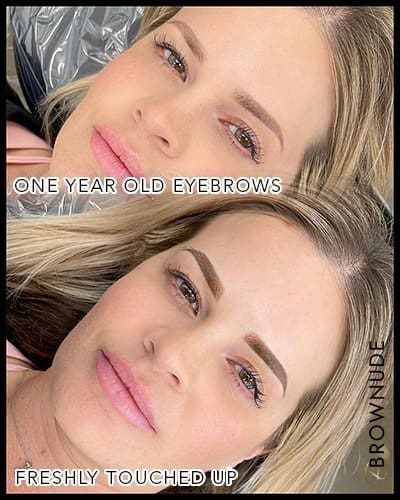
You wake up, glance in the mirror, and your brows are already there – shaped, balanced, and softly defined. That convenience is a big reason clients ask how long does permanent eyebrow makeup last before they book. The honest answer is simple: longer than daily makeup, but not forever. In most cases, permanent eyebrow makeup lasts between 1 and 3 years before a color refresh is needed.
That range matters because brows do not fade on a fixed calendar. Skin type, lifestyle, pigment choice, aftercare, sun exposure, and the technique used all influence how long your results stay crisp and flattering. A well executed treatment should fade gradually and evenly, not suddenly disappear.
How long does permanent eyebrow makeup last in real life?
For most clients, the initial healed result looks its best after the perfecting touch up and remains noticeably visible for 12 to 36 months. Some clients begin to see soft fading closer to the one-year mark, while others hold pigment beautifully for much longer.
If you have oily skin, frequent exfoliation, or spend a lot of time in the sun, your brows may fade faster. If your skin is normal to dry, you wear SPF consistently, and you follow aftercare closely, your retention may last longer. The key is not chasing the longest possible wear at any cost. The goal is beautiful fading that can be refreshed before brows ever look patchy or dated.
Why permanent eyebrow makeup is not truly permanent
The term permanent makeup can be misleading. Unlike body tattoos, cosmetic tattoo pigments are implanted more superficially and are designed to soften over time. That is a good thing.
Brows sit in the center of the face, and beauty preferences evolve. A shape or shade that looks perfect today may need refinement later as your skin changes, your hair color changes, or your personal style shifts. A softer, more flexible result is what allows eyebrow tattooing to look elegant rather than harsh.
An experienced artist plans for that fade. Precision matters just as much as pigment selection and technique. A brow treatment should heal naturally, suit your features, and leave room for future maintenance.
What affects how long permanent eyebrow makeup lasts?
No two clients retain pigment exactly the same way. The treatment itself matters, but your skin and habits matter too.
Skin type
Oily skin tends to break down pigment faster than dry or balanced skin. It can also cause healed results to appear softer sooner, especially with hairstroke styles. Drier skin often holds fine detail better and for longer.
Sensitive or mature skin can respond differently as well. Thin skin may heal beautifully, but it still requires a careful approach to avoid oversaturation. This is one reason a customized consultation is so important.
Technique used
Microblading, machine shading, nano brows, and combination brows all have different retention patterns. Microblading can look airy and delicate, but it may fade faster on some skin types. Machine work often offers stronger retention and a softer long term fade, particularly for oily or textured skin.
The best technique is not always the trendiest one. It is the one that fits your skin, your goals, and how much definition you want day to day.
Aftercare
Aftercare has a direct effect on healing and retention. Picking, scratching, premature sweating, swimming, and using active skincare too early can all interfere with pigment settling properly.
This early stage is where many clients either protect their investment or shorten its lifespan without realizing it. Clean healing instructions are not a formality – they are part of the result.
Sun exposure and skincare
UV exposure is one of the fastest ways to fade cosmetic tattooing. Facial treatments, retinoids, exfoliating acids, and resurfacing products can also lighten brows over time.
That does not mean you need to avoid good skincare. It means your routine should be adjusted thoughtfully around the brow area. Daily SPF and smart product placement go a long way.
Immune response and lifestyle
Your body gradually metabolizes pigment. Clients who exercise intensely, sweat often, or have faster skin turnover may notice quicker fading. Hormonal shifts, medications, and certain health conditions can also influence retention.
This is why one person can need a refresh in 12 months while another still looks polished at 24 months.
What to expect right after your brow appointment
Fresh brows almost always heal darker, sharper, or more defined than the final result. That is normal. During the healing process, the color softens and the skin settles.
Around 8 weeks, most clients return for a perfecting session. This follow up appointment is part of building a lasting result. It allows the artist to reinforce areas that healed lighter, refine balance, and complete the treatment properly.
When should you schedule a touch up?
A touch up is not a sign that something went wrong. It is routine maintenance for a service designed to stay soft and natural.
Many clients plan a color boost every 12 to 18 months. Others wait closer to 2 years. The right timing depends on how much fading you are comfortable with and whether your brows still match the level of definition you want.
It is usually better to refresh earlier rather than waiting until the pigment has almost completely disappeared. A timely maintenance appointment is simpler, more predictable, and helps preserve the shape and tone you already love.
Signs your eyebrow makeup is ready for a refresh
You do not need to wait until your brows look obviously faded in every light. Subtle changes are often the first cue.
If your shape looks less structured, the tails seem lighter, the color has softened more than you like, or you find yourself filling them in most mornings again, it may be time for a refresh. Another reason to book sooner is if your skin has changed and you want to adjust the brow style with a more suitable technique.
How to make permanent eyebrow makeup last longer
The best retention starts with strong technique and careful pigment selection, but home care still matters.
Protect your brows from sun exposure with SPF once healed. Avoid applying retinoids, acids, and aggressive exfoliants directly over the brow area. Follow healing instructions exactly after your appointment, and resist the urge to pick at any flaking skin.
It also helps to choose an artist who works with your skin instead of forcing a one size fits all brow style. Beautiful retention is rarely accidental. It is the result of thoughtful artistry, proper depth, and a treatment plan built around you.
Is fading a bad thing?
Not at all. In fact, controlled fading is one of the hallmarks of high quality permanent makeup.
Brows that remain too dark, too solid, or too unchanged over time can become difficult to update and may no longer suit the face as naturally. Soft fading gives you options. It allows for color refreshes, shape refinement, and age-appropriate adjustments while keeping the overall look polished.
That is especially important if you value brows that look elevated rather than overdone.
Choosing quality over longevity alone
It is tempting to focus only on how many years permanent eyebrow makeup might last, but longevity by itself is not the best measure of success. A longer lasting result is not necessarily a better one if the shape is too heavy, the pigment heals oddly, or the brows no longer suit your features.
A premium brow service should prioritize precision, safety, hygiene, and natural looking design from the start. In a clinical quality setting like Brownude, that standard is about more than appearance. It is about giving clients a result that heals beautifully, fades gracefully, and can be maintained with confidence.
If you are considering eyebrow tattooing, think in terms of lifecycle, not permanence. The best brows are the ones that still look elegant months later and can be refreshed before they lose their shape. That is where real value lives, in results that keep up with your face, your routine, and the way you want to feel every day.